End of tenancy cleaning Richmond TW9 before new tenants
If you are preparing a rental property in Richmond TW9 for new occupants, end of tenancy cleaning is one of those jobs that looks straightforward on paper and then suddenly becomes very detailed in real life. Marks in the oven, dust behind radiators, limescale on taps, fingerprints on switches, a bit of fluff in the corners... it all adds up. And if the property is due to be re-let quickly, there is little room for guesswork.
This guide explains End of tenancy cleaning Richmond TW9 before new tenants in plain English: what it involves, why it matters, how it works, what good results look like, and the mistakes that can cause awkward delays. You will also find a practical checklist, a comparison table, and a realistic example from a typical Richmond move-out turnaround. No fluff. Just the stuff that actually helps.
Why End of tenancy cleaning Richmond TW9 before new tenants Matters
End of tenancy cleaning is the deep, detailed clean carried out between one tenancy and the next. In Richmond TW9, where properties can range from period flats and riverside apartments to family homes and newer developments, presentation matters a lot. New tenants notice what the last occupier left behind. So do letting agents. So do landlords, naturally.
The point is not just to make the place look pleasant. It is about resetting the property to a standard where the next tenant can walk in, unpack, and feel they are starting fresh. That first impression carries real weight. If a home smells stale, has greasy kitchen cupboards, or still has dusty skirting boards, it can instantly feel neglected even when the structure itself is perfectly sound.
There is also a practical side. Good cleaning reduces complaints at move-in, supports faster re-letting, and makes the property easier to inspect. You are less likely to get stuck in a back-and-forth conversation about whether an issue was pre-existing. To be fair, that kind of confusion is exactly what everyone wants to avoid at the start of a tenancy.
In our experience, the best results happen when the cleaning is treated as part of the handover process, not as a rushed final chore. A proper clean gives everyone a cleaner break, which is oddly reassuring when a property has been lived in for months or years. Sometimes years leave a smell behind. Not always a bad one, just a lived-in one.
How End of tenancy cleaning Richmond TW9 before new tenants Works
The cleaning itself is usually more detailed than a standard weekly or monthly clean. It focuses on the areas tenants tend to use heavily and the spots people often miss during normal upkeep. Think kitchen appliances, bathrooms, internal windows, light switches, skirting boards, doors, and those awkward edges around fixtures and fittings.
A typical end of tenancy clean in Richmond TW9 usually starts with a property walk-through. That is the moment where the cleaner, landlord, agent, or outgoing occupier identifies what needs extra attention. A home with a built-in oven and carpeted bedrooms will need a different focus from a compact studio with hard floors and minimal furniture. Obvious enough, but worth saying.
The process often includes:
- kitchen degreasing and appliance cleaning
- bathroom descaling and sanitising
- dust removal from high and low surfaces
- vacuuming and mopping floors
- internal glass and mirror cleaning
- spot cleaning doors, handles, switches, and frames
- dealing with built-up dirt in corners, tracks, and vents
If carpets, upholstery, ovens, or windows need special treatment, these are often handled as add-on tasks. That is not just upselling, by the way. Some surfaces really do need a different method if you want the result to last. A greasy extractor hood is not going to respond to the same approach as a quick dust-and-wipe round a living room.
For many landlords, the best approach is to pair end of tenancy cleaning with services such as deep cleaning or end of tenancy cleaning where the condition of the property calls for a more thorough reset. If carpets are heavily used, a separate carpet cleaning treatment may also be sensible.
Key Benefits and Practical Advantages
There are a few reasons this type of cleaning is worth getting right, and they are not all about appearance. The obvious benefit is a cleaner property. But the less visible benefits can be just as important.
- Faster re-letting: a fresh, presentable home is easier to market and easier to show.
- Better first impressions: new tenants feel more confident moving into a well-prepared property.
- Less dispute risk: a clear handover standard reduces arguments about cleanliness.
- Improved hygiene: kitchens and bathrooms are reset properly, not just superficially wiped.
- Better maintenance visibility: once dirt is removed, underlying wear and tear is easier to spot.
There is another advantage that people sometimes underestimate: emotional reset. A properly cleaned property feels calmer. That sounds a little soft, maybe, but anyone who has walked into a fresh flat after a hectic move-out day knows the difference. The room feels quieter. Lighter. More ready.
For landlords and agents in Richmond, where tenant expectations can be high and time between tenancies can be short, a dependable clean can make listings feel more polished. It is not about making the place look unreal. It is about making it genuinely ready.
Who This Is For and When It Makes Sense
This service makes sense for anyone responsible for preparing a rental property before a new occupancy begins. That includes private landlords, letting agents, block managers, and even tenants who want to leave the home in good shape before inspection. Sometimes the person paying for the clean is not the same person arranging it, which can get messy if expectations are not clear. A quick chat upfront helps.
It is especially useful when:
- the previous tenant has vacated and the inventory check is approaching
- the property has been empty for a while and dust has settled again
- there are signs of heavier-than-normal use in the kitchen or bathroom
- carpets, upholstery, or ovens need specialist attention
- you want to reduce complaints from new tenants on move-in day
It can also make sense after refurbishment, after tenant-held furniture has been removed, or when a property has been used less gently than hoped. Let's face it, not every tenancy ends with a spotless handover and a handwritten thank-you note.
If you are managing several tasks at once, combining this with one-off cleaning or a broader cleaning company service can be a practical way to keep the turnaround moving without juggling too many separate appointments.
Step-by-Step Guidance
If you want the process to run smoothly, treat it as a short project rather than a random clean. A bit of planning goes a long way. Below is a practical sequence that works well for most Richmond TW9 properties.
- Inspect the property first. Walk through each room and note what needs attention. Look high, low, and behind things. That corner behind the bin? Usually not glamorous.
- Remove all personal items and leftover waste. Cleaning works better when surfaces are clear. If there is clutter everywhere, dirt hides underneath it and the result never quite feels finished.
- Start with dry work. Dusting, vacuuming, and debris removal should come before wet cleaning. Otherwise you are just moving dirt around.
- Focus on kitchen and bathroom first. These are the rooms people judge most quickly. Grease, limescale, and soap residue are hard to ignore.
- Clean from top to bottom. Work from shelves and fittings down to skirting and floors so dust does not fall onto already-cleaned surfaces.
- Check overlooked details. Switches, handles, door edges, extractor fans, and window sills often show whether the clean is truly thorough.
- Finish with a final inspection. Walk the property again in daylight if possible. Morning light can reveal things that artificial lighting hides. Slightly annoying, but useful.
A good final inspection should answer a simple question: would you be happy handing this property to someone moving in tomorrow? If the answer is no, there is usually one more detail lingering somewhere.
Expert Tips for Better Results
The difference between an acceptable clean and a really solid one usually comes down to the small things. Here are the habits that make the biggest difference in practice.
Work room by room, not task by task
It is tempting to clean all mirrors at once or all floors at once. But for end of tenancy work, finishing one room completely often gives a better result. You can see what has been missed, and the property starts to feel complete much faster.
Use the right method for the right surface
Delicate finishes, natural stone, older fittings, and painted wood all need slightly different care. A strong cleaner in the wrong place can do more harm than good. Not dramatic harm, usually. Just enough to annoy everyone later.
Do not ignore hidden air and smell issues
A room can look clean and still feel stale. Open windows where possible, empty bins fully, clean around appliances, and check for damp odours or fridge smells. Freshness matters more than people admit.
Prioritise the places a new tenant will touch first
Door handles, cupboard pulls, taps, light switches, and banisters are high-contact points. If these are spotless, the whole property tends to feel better maintained.
Document the condition before and after
Simple photos can save time if a question comes up later. This is especially sensible for landlords and letting agents. No need for a full production crew. A phone camera usually does the job.
If some areas are beyond the scope of a standard clean, add specialist help where needed. For example, oven cleaning can make a big difference in rental kitchens, while window cleaning helps the whole place feel brighter, especially in north-facing rooms where light is already doing a modest amount of work.
Common Mistakes to Avoid
Most problems come from rushing. That sounds obvious, but it is exactly where people get caught out. A property can look "pretty good" and still fail a move-in standard if the details are ignored.
- Leaving the kitchen until last: grease is stubborn and often needs time to loosen.
- Skipping high-touch areas: switches and handles are easy to miss and very visible when dirty.
- Using one product for everything: this can damage surfaces or simply be ineffective.
- Cleaning around clutter: you end up with a surface-level result, not a proper reset.
- Forgetting inside appliances: ovens, fridges, and microwaves can let the whole property down.
- Not allowing enough drying time: damp floors or streaky glass can make a clean look unfinished.
Another common mistake is assuming a quick tidy will pass. Sometimes it will. Often it will not. The difference is usually in the corners, not the centre of the room. And yes, agents and incoming tenants do notice corners.
Tools, Resources and Recommendations
You do not need a trolley full of equipment to achieve a strong result, but you do need the basics in decent condition. A tired mop head and an old sponge can undo more confidence than people realise.
Useful tools and supplies typically include:
- microfibre cloths for dusting and polishing
- a vacuum cleaner with attachments for edges and upholstery
- neutral floor cleaner suitable for the surface type
- degreaser for kitchen surfaces
- limescale remover for bathroom fittings
- scrapers or pads only where safe and appropriate
- gloves, cloths, buckets, and fresh bin liners
If you prefer to hand the job over, choose a provider that is clear about scope, timing, and what is included. Clarity matters more than a glossy promise. A sensible service page such as pricing and quotes can help you compare options without guessing what is covered. For peace of mind around access, damage concerns, or working around valuables, it also helps to review insurance and safety.
And if you are managing the property with sustainability in mind, it is fair to ask about waste handling and product choices too. A practical approach to recycling and sustainability can be a plus, especially when clearing out packaging, old consumables, or residual waste after a tenancy.
Law, Compliance, Standards, or Best Practice
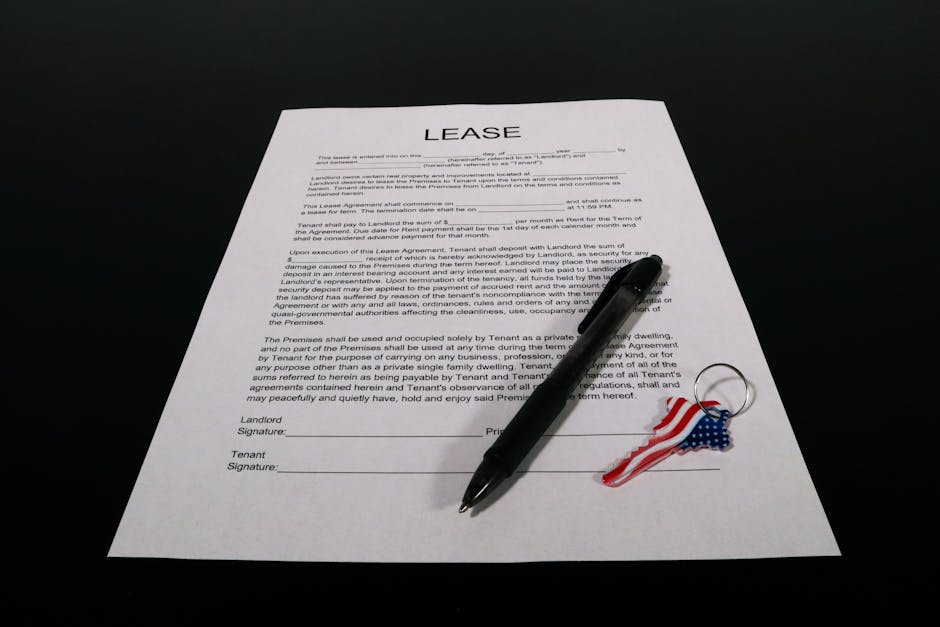
Cleaning a rental property is not usually a heavily regulated process in itself, but it sits within a wider landlord and tenancy context where good records and reasonable standards matter. In the UK, tenancy agreements often set expectations for leaving the property clean, and inventory check-in/check-out records can become important if there is a dispute later. That is why a careful handover is not just "nice to have". It can be useful evidence of good practice.
The safest approach is to follow the tenancy agreement, the inventory standard, and any agreed checklist used by the letting agent or landlord. If something is described as professionally cleaned, make sure the work really matches that level. The exact wording matters more than people think. It is one of those slightly dull details that suddenly becomes important at 6pm on a moving day.
Health and safety also deserve attention. Wet floors, cleaning chemicals, and electrical appliances do not mix well without care. Basic precautions, sensible ventilation, and correct product use are part of a responsible clean. If you are hiring a provider, checking their health and safety policy is just sensible due diligence.
Best practice usually means:
- documenting the property condition before and after
- using products safely and according to instructions
- making sure the property is dry and ventilated before handover
- keeping communication clear between landlord, agent, and outgoing tenant
- matching the cleaning standard to the tenancy expectations, not guesswork
If you need to understand the company side of things a little better, pages like about us and terms and conditions can provide useful context on how a service is structured and what to expect.
Options, Methods, or Comparison Table
Not every property needs exactly the same approach. A small flat that has been lightly used may only need a focused clean, while a larger house with more wear may need a broader service mix. Here is a simple comparison to help you decide.
| Approach | Best for | Strengths | Watch-outs |
|---|---|---|---|
| DIY end of tenancy clean | Smaller, lightly used properties | Low direct cost, flexible timing | Easy to miss details; can be time-consuming |
| Standard professional clean | Most rental handovers | Consistent finish, efficient workflow | May not cover specialist stains or heavy build-up |
| Deep clean with extras | Heavier use, longer void periods, older properties | More thorough, better for neglected areas | Needs more time and planning |
| Targeted add-on services | Ovens, carpets, upholstery, windows | Improves the rooms tenants notice most | Requires coordination of multiple services |
If you are unsure which route is best, think about the property's condition rather than the calendar. A crisp, well-kept home can often be handled efficiently. A property that has seen better days, honestly, benefits from a more thorough plan.
Case Study or Real-World Example
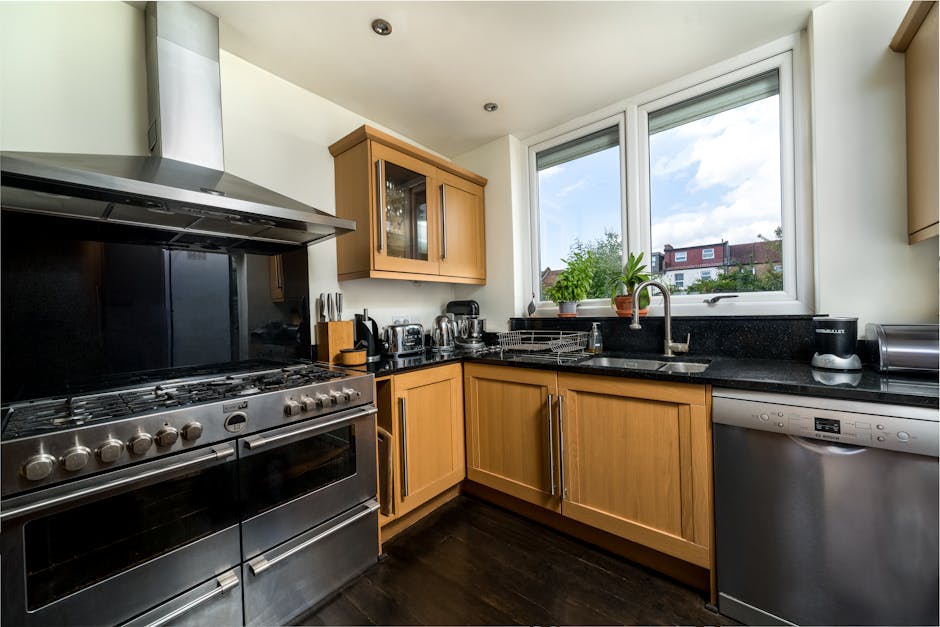
Here is a realistic Richmond TW9 scenario. A two-bedroom flat near the station has been vacated after a year-long tenancy. The landlord wants it ready for viewings later that week. The property looks tidy at first glance, but the details tell a different story: light grease around the hob, dusty blinds, a bathroom with limescale on the taps, and carpet tracks in the hallway.
Instead of doing a rushed same-day tidy, the landlord arranges a structured clean. The kitchen is tackled first, with the oven, hob, and extractor getting extra attention. Bathroom fittings are descaled. Skirting boards, doors, and window ledges are wiped down. Carpets are vacuumed carefully, and a separate treatment is booked for the main living area because it has more traffic than expected.
By the end, the flat looks brighter and much more neutral. Nothing magical. Just clean, calm, and ready. The property photographs better the next morning, and the new tenants move in without raising concerns about the previous occupancy. That is the real win, really: fewer complications, less explaining, and a smoother start for everyone involved.
Small detail, big impact.
Practical Checklist
Use this checklist before handing over the property or booking the clean. It is simple, but it catches a lot of the usual misses.
- All personal belongings removed
- Bins emptied and waste taken away
- Kitchen cupboards wiped inside and out
- Oven, hob, and extractor cleaned
- Bathroom taps, tiles, and seal edges checked
- Internal windows, sills, and mirrors cleaned
- Skirting boards, doors, and handles wiped down
- Light switches and high-touch points disinfected appropriately
- Floors vacuumed and mopped
- Carpets or upholstery treated if needed
- Final inspection done in good light
- Any remaining issues documented clearly
If the property includes soft furnishings or fabric-covered items, it can help to consider upholstery cleaning or sofa cleaning as part of the handover plan. Not every home needs them, but when they are needed, they are hard to ignore.
Conclusion
End of tenancy cleaning Richmond TW9 before new tenants is really about control, confidence, and presentation. It helps you hand over a property that feels cared for, reduces avoidable friction, and gives the next occupants a proper fresh start. That matters whether you manage one flat or a whole portfolio.
The best approach is straightforward: inspect carefully, clean thoroughly, focus on the high-impact areas, and do not leave the small details to chance. If the property needs more than a basic tidy, get the right support early. It saves time, lowers stress, and usually makes the whole process smoother than trying to patch things together at the last minute.
Get a free quote today and see how much you can save.
And if you are preparing a Richmond property for its next chapter, a good clean can make that transition feel less like a scramble and more like a clean slate. Which, to be fair, is exactly what most people need.
Frequently Asked Questions
What does end of tenancy cleaning usually include?
It usually covers a detailed clean of kitchens, bathrooms, floors, skirting boards, doors, windows, and high-touch surfaces. In many properties, appliances and fixtures are also cleaned more thoroughly than during a normal weekly routine.
Is end of tenancy cleaning required before new tenants move in?
It is not always a legal requirement, but it is a strong best practice and is often expected by landlords, agents, or inventory standards. A clean handover helps avoid early complaints and makes the property feel ready.
How deep does the cleaning need to be?
Deep enough that the property looks and feels reset. In practical terms, that means removing built-up dirt, grease, limescale, dust, and leftover odours rather than just making the rooms look presentable from the doorway.
How long does end of tenancy cleaning take?
It depends on property size, condition, and whether add-ons are needed. A small, tidy flat can be relatively quick, while a larger or more heavily used property may need much longer. The condition matters more than the number of rooms alone.
Should carpets be cleaned separately?
Often yes, especially if they show traffic marks, stains, or embedded dust. Carpet cleaning is usually treated as a separate task because it needs different equipment and drying time.
Do I need to clean the oven as part of the handover?
In most rental handovers, yes. The oven is one of the first things people inspect, and baked-on residue can make an otherwise clean kitchen feel unfinished. It is one of those small things that leaves a big impression.
Can I do the cleaning myself?
Yes, if you have the time, equipment, and patience to reach the expected standard. The risk is missing details, especially in kitchens and bathrooms. That is why many landlords and tenants prefer professional help when the turnaround is tight.
What if the property has already been empty for weeks?
Then dust, stale air, and surface grime may have built up again. A pre-tenancy clean is still useful because empty properties do not stay spotless on their own. Sadly, dust is very committed.
How do I know if the service is good value?
Look at what is included, how clearly the scope is explained, whether specialist tasks are available, and whether the provider is transparent about safety and insurance. The cheapest option is not always the best value if important areas are missed.
What should I check before the new tenants arrive?
Check that floors are dry, surfaces are free from residue, appliances are clean, bathrooms smell fresh, and nothing has been overlooked in corners or behind doors. It also helps to do a final walkthrough in natural daylight if possible.
What if there is damage as well as dirt?
Cleaning can improve appearance, but it will not repair damage. Scratches, broken fittings, mould, or worn fixtures should be flagged separately so they can be handled before move-in. Keeping cleaning and maintenance distinct avoids confusion.
Can end of tenancy cleaning help with letting the property faster?
Usually yes. A clean, well-presented property photographs better, feels more inviting at viewings, and gives prospective tenants confidence that the home has been looked after properly.