Sofa cleaning services for Richmond Hill homes: a practical guide for cleaner, fresher living spaces
If your sofa is the most-used seat in the house, it probably shows it. A little food spill here, a shadowy armrest there, and before long the fabric can start to look tired even when the rest of the room is spotless. That is where sofa cleaning services for Richmond Hill homes make a real difference. They are not just about appearance, either. A proper clean can help remove embedded dirt, odours, and the general build-up that sneaks into everyday family life.
In Richmond Hill homes, where people often want their interiors to feel calm, polished, and welcoming, sofa care matters more than many realise. This guide walks you through what professional sofa cleaning involves, how it works, when it makes sense, what to avoid, and how to decide whether now is the right time. It is the sort of practical advice you can use straight away, not fluff. Let's get into it.
Why Sofa cleaning services for Richmond Hill homes Matters
Sofas are high-contact furniture. People sit, lean, snack, nap, scroll, and sometimes even work from them. That constant use means dust, body oils, pet hair, crumbs, and airborne particles settle into the fabric far more quickly than most homeowners expect. On the surface, the sofa may only look a bit dull. Underneath, though, the fibres can hold much more.
For Richmond Hill homes, this matters for a few very practical reasons. First, many households want a tidy, guest-ready living room without replacing furniture every few years. Second, a sofa often sets the tone for the whole room; if it looks grubby, everything else can suddenly feel less cared for. And third, a deep clean can help extend the life of the upholstery, which is a lot kinder on the budget than rushing to buy a new sofa because the old one just looks rough.
There is also the smell factor. To be fair, that is often what pushes people to act. You might not notice it every day, but after a rainy week, a family film night, and a takeaway or two, the room can start to carry that faint lived-in smell that does not quite go away with a quick window open. Professional sofa cleaning is often the reset button.
If you are already planning broader home care, sofa cleaning also sits neatly alongside domestic cleaning and periodic deep cleaning. It is one of those jobs that feels small until you see the result.
How Sofa cleaning services for Richmond Hill homes Works
Professional sofa cleaning is usually a step-by-step process, but the exact method depends on the fabric type, the level of soiling, and the condition of the furniture. There is no single approach that suits every sofa, and that is where experience matters.
1. Fabric inspection and testing
The cleaner should first inspect the upholstery, identify the material, and check the manufacturer's cleaning code where available. That code helps show whether the fabric can handle water-based methods, solvent cleaning, or requires more cautious treatment. A careful test on a hidden area is standard practice. This step seems small, but it can save you a lot of trouble.
2. Dry soil removal
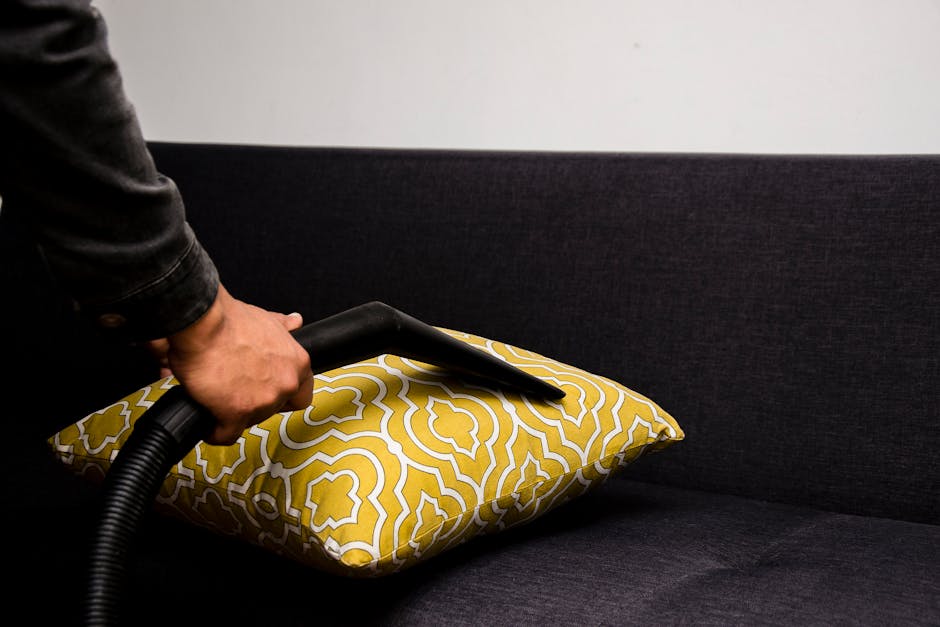
Before any liquid is used, loose dust and grit are removed. This usually involves vacuuming with upholstery attachments and careful edge work around seams, cushions, and arms. If you skip this stage, wet cleaning can push dirt deeper into the fibres, which nobody wants.
3. Pre-treatment of spots and traffic areas
Stains and heavily used zones are often treated first with suitable solutions. Think of armrests, headrest areas, and the front edge of cushions, where hands and skin make the most contact. A good cleaner will choose the treatment based on the stain type rather than just spraying everything with the same product. That matters more than people think.
4. Main cleaning method
The main clean may involve hot water extraction, low-moisture cleaning, dry cleaning, or specialist foam methods. The right method depends on the fabric and how much drying time you can allow. Some fabrics respond beautifully to a moist extraction clean, while delicate or antique upholstery may need a gentler touch. There is no prize for using the most aggressive method.
5. Rinse or residue removal
Where applicable, cleaning residues are reduced or removed so the fabric does not feel sticky afterwards. This part is important because leftover detergent can attract dirt faster. Ever noticed a sofa that looks clean for three days and then seems to dull down again? Sometimes residue is the reason.
6. Drying and final grooming
Once cleaned, the upholstery is carefully groomed and left to dry. Windows may be opened, fans used, or air circulation encouraged. The cleaner should explain what to expect so you are not sitting on damp cushions wondering if you made a mistake. You probably will not. You just need to let it dry properly.
If your sofa is part of a larger interior refresh, many homeowners combine it with upholstery cleaning across chairs or dining seats, or even rug cleaning in the same visit. That can make a room feel consistently renewed rather than half-done.
Key Benefits and Practical Advantages
Good sofa cleaning gives you more than a visually nicer living room. It creates a practical improvement you notice day to day. Here are the biggest benefits.
- Better appearance: Colours look brighter, shadows and dull patches reduce, and the fabric regains some of its original life.
- Improved hygiene: Dust, crumbs, skin particles, and everyday buildup are reduced, which helps the room feel fresher.
- Odour removal: Food smells, pet smells, and general stale notes are often noticeably reduced.
- Longer furniture life: Dirt is abrasive. Keeping it under control can help delay wear.
- Better comfort: A clean sofa simply feels nicer to sit on, especially in the evening when the room is finally quiet.
There is also a less obvious advantage: routine cleaning can help you spot problems early. Loose seams, cushion flattening, faded spots, and small damage often become visible once dirt is lifted. That gives you time to deal with them before they turn into bigger issues.
Expert summary: The best sofa cleaning is the kind that protects the fabric first, improves appearance second, and leaves the furniture genuinely usable the same day or the next. If a process is too wet, too harsh, or too rushed, the result may look good briefly but age badly. Subtle, careful work usually wins.
For many Richmond Hill households, the biggest benefit is peace of mind. You know the sofa is not holding on to months of life from the room. And honestly, that matters when the living room is where everyone ends up anyway.
Who This Is For and When It Makes Sense
Sofa cleaning services are useful for a wide range of homes, but they are especially worth considering in a few common situations.
Families with children
Children are brilliant at testing furniture. Juice, biscuits, muddy hands, crayons, the lot. If your sofa sees daily family use, professional cleaning can stop the whole room from feeling permanently marked by real life.
Pet owners
Pet hair is only part of the story. Dander, outdoor dirt, and the occasional accident can settle into the fibres. Even a well-loved dog or cat can leave a sofa smelling less fresh than you realise.
Renters and landlords
For rented homes, a clean sofa can help the property present better and feel more cared for. It can also support a more orderly move-out or inventory check where furniture is included. If you are preparing a property, related services such as end of tenancy cleaning are often considered alongside upholstery work.
Older or delicate furniture
Some sofas need a cautious, knowledgeable approach because the fabric may be sensitive to moisture or chemicals. In those cases, professional assessment is more valuable than a quick DIY attempt.
Homes preparing for guests or events
There is nothing glamorous about realising the sofa looks tired two days before people arrive. Happens all the time. A targeted clean can make a surprisingly big difference, especially if the rest of the room is already tidy.
If the issue is not just the sofa but the wider home, some people pair it with one-off cleaning or regular house cleaning to get everything back on track in one go.
Step-by-Step Guidance
If you are planning a sofa clean, whether professional or as part of deciding whether to book one, this simple process helps you get better results.
- Check the fabric type. Look for the care label or any manufacturer guidance. If you cannot find it, that is fine, but the cleaner should still inspect it carefully.
- Vacuum thoroughly. Remove loose dust, crumbs, pet hair, and anything hiding in the seams.
- Identify problem areas. Note spills, smells, wear spots, or cushions that seem especially dirty.
- Test a small hidden area. This matters for both DIY attempts and professional work. Small test, big difference.
- Choose the right method. Match the cleaning approach to the fabric, not to the stain envy of the moment.
- Allow proper drying. Do not pile cushions back into place too soon. That is how damp smells return.
- Finish with light grooming. Brush fibres gently where needed and put cushions back once dry.
A useful rule of thumb: if you are not certain the sofa can handle a particular product or amount of water, stop and ask before doing anything else. A cautious approach is usually the smart one. Not flashy, just smart.
Expert Tips for Better Results
There are a few small habits that noticeably improve the outcome, and most homeowners overlook them.
- Vacuum more often than you think you need to. Once a week is a good starting point for a heavily used sofa.
- Rotate cushions regularly. It helps even out wear and pressure marks.
- Treat spills quickly, but gently. Blot first. Do not rub like you are trying to erase a mistake from the page.
- Use throws in high-traffic homes. They are not just decorative; they are a practical buffer.
- Keep food and drinks in check. Obvious advice, yes. Still the one people forget first.
- Ask about drying times. If you need the room back by evening, the cleaning method should suit that schedule.
Another tip: good cleaners will usually explain what is realistic for your fabric. A faded patch will not magically disappear if the colour has been worn away. Better to hear that early than be promised a miracle. Truth be told, honesty is one of the strongest signs of a proper service.
If sustainability matters to you, you may also want to ask how waste water, packaging, and cleaning materials are handled. Some customers like to compare that with broader home services such as recycling and sustainability practices across the company.
Common Mistakes to Avoid
Most sofa-cleaning problems come from trying to move too quickly or using the wrong method. A few common mistakes crop up again and again.
Using too much water
Over-wetting can cause long drying times, water marks, or even deeper smell issues. Some fabrics are forgiving. Others are not. Better to err on the side of less water and more control.
Rubbing stains aggressively
Rubbing often spreads the mark, roughens the fibres, or pushes the stain deeper. Blotting is usually safer.
Using the wrong household product
That "one clever trick" you saw somewhere can end in discolouration or patchy results. A sofa is not the place for experiments.
Skipping a test patch
This is a classic mistake. A hidden test can reveal colour transfer, fabric shrinkage, or texture changes before the whole sofa is affected.
Putting cushions back too soon
Even if the sofa looks fine on the surface, trapped moisture can cause lingering odour or flatten the cleaned fibres. Give it time.
Choosing price alone
Cheapest is not always best. Equally, expensive does not automatically mean careful. Ask what method will be used, how the fabric will be assessed, and what happens if a stain does not fully respond.
Let's face it, most cleaning regrets come from rushing. A calmer process usually gets a calmer result.
Tools, Resources and Recommendations
You do not need a van full of gear to maintain a sofa properly, but a few sensible tools help a lot.
- Upholstery vacuum attachment: Ideal for seams, corners, and cushions.
- Soft fabric brush: Useful for lifting surface dust and grooming fibres after cleaning.
- Microfibre cloths: Good for blotting small spills without spreading them.
- White towels: Helpful for checking how much moisture or soil is being lifted.
- Protective throws: Useful in homes with pets or young children.
For a bigger refresh, you might consider services that support the living room and the rest of the property together. For example, some households combine sofa work with carpet cleaning or window cleaning to bring the whole room back into balance. It sounds simple, because it is.
When choosing a provider, useful questions include:
- What cleaning method do you recommend for this fabric?
- Do you carry out a test patch first?
- How long should drying take?
- Can you help with odours, not just visible stains?
- What should I do before you arrive?
Those questions quickly separate careful professionals from people who are just hoping for the best and smiling a lot.
Law, Compliance and Best Practice
For domestic sofa cleaning, the main expectations are usually around safe working, appropriate product use, and honest communication about what can and cannot be achieved. There is not one single legal script that fits every home, but there are strong best-practice norms in the UK cleaning industry.
At a practical level, a reputable cleaner should work in a way that reduces risk to your home, your furniture, and the person doing the job. That typically means assessing the fabric before cleaning, using suitable products, and avoiding methods that could damage the upholstery. Where chemical products are used, safe handling and ventilation matter. It is simple common sense, really, but worth saying clearly.
Insurance is also worth checking. If someone is working inside your home with electrical equipment, water, or cleaning agents, it is reasonable to ask whether they carry appropriate cover. The same goes for how complaints are handled, what happens if a problem arises, and how payment is managed. Pages such as insurance and safety, health and safety policy, payment and security, and terms and conditions are useful places to understand how a provider works before you book.
If you are comparing companies, best practice usually means clear scope, realistic expectations, and no vague promises. That combination tells you a lot. More than a shiny sales pitch, to be fair.
Options, Methods, or Comparison Table
Different sofa fabrics and household situations call for different approaches. Here is a straightforward comparison to help you understand the trade-offs.
| Method | Best for | Advantages | Things to watch |
|---|---|---|---|
| Hot water extraction | Many synthetic upholstery fabrics | Deep soil removal, good for freshness, often effective on general grime | Can leave longer drying times if overused or if ventilation is poor |
| Low-moisture cleaning | Homes needing faster turnaround | Quicker drying, less water saturation, useful for lighter maintenance cleans | May not lift heavy embedded soil as strongly as a deeper method |
| Dry cleaning | Delicate or moisture-sensitive fabrics | Reduced water exposure, safer for certain materials | Not every stain responds equally, and results depend on fabric condition |
| Foam or specialist upholstery treatment | Specific stains or mixed-fibre furniture | Can be tailored to the item, useful for more cautious care | Requires good product selection and a careful finish |
If you are unsure which option your sofa needs, that is normal. A proper inspection should make the decision much easier. The best method is the one that suits the fabric, the stain type, and the drying window you actually have.
Case Study or Real-World Example
Consider a typical Richmond Hill living room: a light-coloured three-seater sofa, used daily by a couple and their young child, with a dog that likes the corner seat by the window. Over time, the sofa had picked up a soft grey cast on the arms, a food mark on one cushion, and a faint smell that became more noticeable in the evening.
Rather than replacing the furniture, the homeowners booked a sofa clean after also arranging broader support through home cleaners for the rest of the week. The cleaner inspected the fabric, identified a suitable low-moisture method, treated the armrests separately, and worked carefully around the stain on the cushion. The result was not theatrical. It was better than that. The sofa looked calmer, lighter, and more in keeping with the room again.
What stood out most was not just the visible change but the atmosphere. The room felt less stale, the fabric felt fresher to the touch, and the sofa stopped being the thing everyone noticed first. That is often how good cleaning works: quietly, then all at once.
Practical Checklist
Use this checklist before booking or carrying out sofa cleaning at home.
- Check the fabric type or care label.
- Vacuum the sofa, seams, and cushions.
- Note stains, odours, and problem areas.
- Decide whether you need stain removal, odour treatment, or a full clean.
- Ask what cleaning method will be used.
- Confirm approximate drying time.
- Move fragile items away from the cleaning area.
- Make sure there is good airflow in the room.
- Have towels ready in case of any small drips or damp patches.
- Do not use random products before the cleaner arrives.
Quick takeaway: the more information you give upfront, the better the result tends to be. A sofa with a clear history is easier to clean well than one with "a bit of everything" hidden in the fabric. That sounds obvious, but it saves time and stress.
Conclusion
Sofa cleaning services for Richmond Hill homes are one of those practical home improvements that deliver a lot more than people expect. The sofa is central to everyday life, so once it starts looking or smelling tired, the whole room can feel it. A thoughtful clean can restore freshness, improve comfort, and help the furniture last longer without forcing you into a premature replacement.
The key is choosing the right method, asking sensible questions, and avoiding quick fixes that create more trouble than they solve. If you treat the sofa as a fabric system rather than just a place to sit, the results are usually much better. A little care goes a long way.
If you are planning a broader refresh, it may also help to look at related services such as cleaning company support, house cleaning, or sofa cleaning itself, depending on what your home needs most right now.
Get a free quote today and see how much you can save.
And if your sofa has been bothering you quietly in the background, that is usually the sign it deserves attention. Fresh furniture has a way of lifting a whole room. Small thing, big feeling.
Frequently Asked Questions
How often should I book sofa cleaning for a Richmond Hill home?
Most households benefit from professional sofa cleaning every 12 to 24 months, but homes with pets, children, or heavy use may need it more often. If the fabric looks dull or starts holding odours, that is a useful sign to book sooner.
Can sofa cleaning remove every stain?
Not always. Fresh spills, food marks, and surface grime often respond well, but older stains, dye transfer, or faded patches may not disappear completely. A good cleaner will explain what is likely to improve and what may remain visible.
How long does a sofa take to dry after cleaning?
Drying time depends on the method, fabric, room temperature, and ventilation. Some sofas are usable the same day, while others may need longer. Ask for a realistic drying estimate before the work begins.
Is professional sofa cleaning safe for delicate fabrics?
It can be, provided the cleaner identifies the fabric correctly and uses the right approach. Delicate upholstery often needs low-moisture or specialist treatment rather than a standard wet clean.
Should I vacuum the sofa before the cleaner arrives?
Yes, if you can. Removing loose dust and crumbs first helps the cleaner focus on the embedded dirt and problem spots. It is a small step, but it improves the final result.
What is the difference between upholstery cleaning and sofa cleaning?
Upholstery cleaning is the broader term for cleaning fabric-covered furniture. Sofa cleaning is a more specific part of that, focused on couches, settees, and similar seating. In practice, the methods often overlap a lot.
Will sofa cleaning help with pet smells?
Often, yes. Pet odours can sit in the fabric and cushion layers, so a proper clean may noticeably reduce them. Very strong or long-standing smells can be harder to fully remove and may need repeated treatment.
Can I sit on the sofa straight after it has been cleaned?
Sometimes you can, but it is better to follow the drying advice given by the cleaner. Sitting too soon can flatten damp fibres or leave marks. If in doubt, give it more time.
Is sofa cleaning worth it for an older sofa?
Usually, yes, if the frame and fabric are still in decent condition. A clean can make an older sofa look far better and help you decide whether it is worth keeping longer. If the upholstery is already damaged, the cleaner should say so honestly.
How do I prepare my living room before sofa cleaning?
Move small items, clear the area around the sofa, and make sure there is good access. If possible, keep pets and children away while the work is being done. That keeps things smoother and a lot less chaotic.
What should I ask before booking a sofa cleaning service?
Ask about the fabric assessment, the cleaning method, drying time, stain expectations, and what is included in the price. Those five questions tell you most of what you need to know before you commit.
Can sofa cleaning be combined with other home services?
Yes, and that is often sensible. Many people combine it with carpet work, rug care, or general house cleaning so the whole living space feels consistent rather than partly refreshed.